

Choosing the right eCommerce platform for your business is crucial. It can make or break your online store’s success. With so many options available, two names often stand out: Magento Open Source and Shopify. But which one is the right fit for you? Let’s dive into a detailed comparison to help you decide.
Understanding Magento and Shopify
Magento is an open-source platform known for its flexibility and customization options. It’s a favourite among developers who want to build a tailored online store from the ground up. However, this flexibility comes with a steep learning curve and often requires technical expertise.
Shopify, on the other hand, is a fully hosted, user-friendly platform designed to get you up and running quickly. It’s perfect for business owners who prefer a hassle-free setup and ongoing maintenance. Shopify handles the technical details so you can focus on your business.
Ease of Use
When it comes to ease of use, Shopify takes the lead. Its intuitive interface and straightforward setup process make it accessible even for those with limited technical skills. You can start building your online store in minutes, thanks to its drag-and-drop builder and comprehensive support resources.

Magento, while powerful, demands more from its users. Setting up a Magento store often requires a developer or a team familiar with coding and server management. If you’re not tech-savvy, you might find the initial setup and ongoing maintenance challenging.
Customization and Flexibility
If customization is your top priority, Magento is the winner. Its open-source nature allows you to modify every aspect of your store. You can build unique features, integrate with various third-party tools, and create a fully customized shopping experience. For more details on how we can help with Magento development, visit our Magento & Magento 2 Development page.
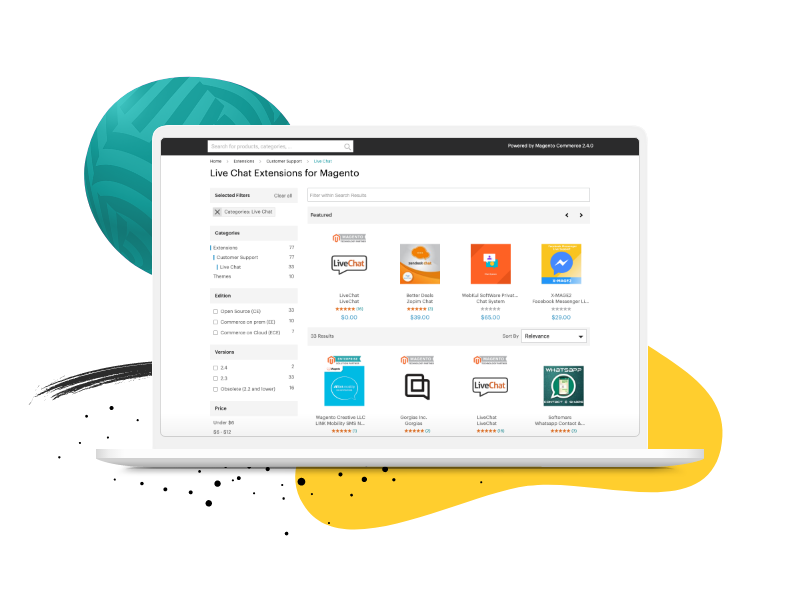
Shopify, while not as flexible, still offers a robust range of customization options through its app store. You can extend your store’s functionality with thousands of apps and themes, though you might not have the same level of granular control as with Magento. Check out our Shopify & Shopify Plus Development page for more information.
Cost
Cost is a significant factor for many businesses. Shopify offers a straightforward pricing model with plans starting at $29 USD per month. This includes hosting, security, and 24/7 support. However, additional costs can arise from premium themes and apps. Additionally, Shopify may charge fees depending on your project’s requirements, such as transaction fees, payment fees, domain fees, app fees, marketplace connect fees, shipping fees, and tax fees. For the most up-to-date pricing information, visit Shopify’s pricing page.
Magento, being open-source, is free to download and use. But remember, you’ll need to factor in hosting, security, development, and ongoing maintenance costs. These can add up quickly, especially if you require extensive customization. Learn more about our Magento Maintenance and Support services.
Scalability
Both platforms are scalable, but they cater to different types of growth. Shopify is ideal for small to medium-sized businesses looking for a platform that grows with them. It handles traffic spikes effortlessly and offers features that cater to expanding businesses.
Magento shines in scalability for medium to larger enterprises with complex needs. Its robust architecture can support large product catalogs and high traffic volumes, making it suitable for big businesses with extensive technical resources. If you need to upgrade your Magento site, learn more on our Magento Migration page.

SEO and Marketing Tools
SEO is crucial for driving traffic to your online store. Magento offers advanced SEO capabilities, allowing you to optimize every aspect of your site. It provides detailed control over URLs, meta tags, and sitemaps.
Shopify, while simpler, still offers strong SEO features. It includes built-in SEO tools and integrates seamlessly with Google Analytics and other marketing platforms. Shopify also excels in social media integration, making it easy to sell on multiple channels.
Support
When it comes to support, Shopify excels with its 24/7 customer service. Whether you need help with setup, troubleshooting, or optimizing your store, Shopify’s support team is always available. Additionally, Shopify’s extensive documentation and community forums provide ample resources.
Magento relies heavily on its community for support. While there is a wealth of information available in forums and documentation, getting timely assistance can be challenging, especially for urgent issues.
Conclusion
Deciding between Magento and Shopify ultimately depends on your business needs, technical expertise, and budget. If you require a highly customizable platform and have the resources to manage it, Magento might be the right choice. However, if you prefer ease of use, reliable support, and a quick setup, Shopify is likely the better option.